
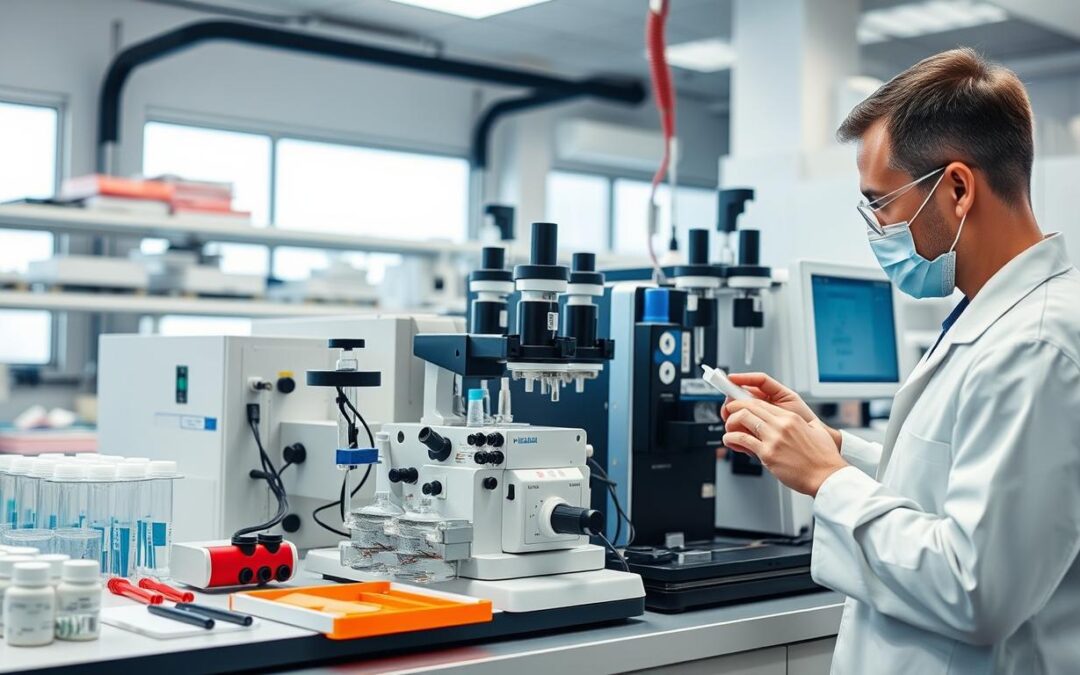
High Performance Liquid Chromatography (HPLC) is a key tool in many fields. It helps in checking the quality of medicines, food, and the environment. But, mistakes can ruin the results. Things like picking the wrong column or not preparing samples right can cause problems.
Keeping your HPLC in top shape is vital for good results. By fixing issues early, you can trust your data more. This article will cover how to keep your HPLC running smoothly. We’ll talk about what to check regularly and how to stop problems before they start.
Key Takeaways
- Regular HPLC maintenance is crucial for accurate and reliable results.
- Improper column storage, mobile phase management, and system calibration can lead to significant issues.
- Proactive maintenance, including daily checks, weekly inspections, and monthly performance verification, can prevent common HPLC system failures.
- Optimizing HPLC performance through regular monitoring and adjustment of key parameters ensures consistent data quality.
- Adopting a proactive approach to HPLC maintenance can increase efficiency, reduce downtime, and enhance the overall analytical workflow.
Essential Components of HPLC System Maintenance
Keeping your High-Performance Liquid Chromatography (HPLC) system in top shape is key. It helps keep your hplc workflow efficiency and hplc data integrity high. Three main parts are crucial: column care, mobile phase handling, and hplc instrument calibration.
Column Storage and Protection
Storing columns right is very important. It stops oxygen and moisture from getting in. This can damage the column. Keep columns sealed and in a dark spot. If they’re on the machine, keep a carrier gas flowing.
Column bleed is normal but should stay the same. For very precise work, use special columns. Always check gas traps and fittings to keep columns safe from harm.
Mobile Phase Management
Handling the mobile phase with care is vital. Make sure it’s filtered and degassed to avoid air bubbles. These bubbles can mess up your results.
Change the mobile phase often to avoid contamination. This keeps your system running smoothly.
System Calibration Requirements
Calibration is key to keeping your HPLC system accurate. It checks flow rates, temperature, and detector response. This ensures your results are reliable and consistent.
Follow the maker’s advice on when and how to calibrate. This keeps your hplc workflow efficiency and data quality high.
“Regular maintenance of HPLC systems is essential for maintaining consistent performance, vital for accuracy and reliability in scientific fields.”
By focusing on these key areas of HPLC system upkeep, you’ll make your instrument last longer. This boosts your lab’s work and data quality.
Common HPLC System Failures and Prevention Strategies
Keeping an HPLC system in top shape is key for good hplc performance monitoring and hplc regulatory compliance. But, problems like column contamination, phase fouling, and changes in retention times can happen. It’s important to act early to stop these problems and keep the HPLC system running smoothly.
One big step is to condition the column right. This means washing it with carrier at room temperature first. Then, slowly warm it up to 20-30°C above the final temperature. This gets rid of air and makes sure the column works its best. For very sensitive work, conditioning might take up to three hours.
| Common HPLC System Failures | Prevention Strategies |
|---|---|
| Column Contamination |
|
| Phase Fouling |
|
| Retention Time Variability |
|
It’s also vital to keep the system clean from contaminants. By following these steps, HPLC users can keep their systems running well. This ensures reliable hplc performance monitoring and meets hplc regulatory compliance standards.
“The Alliance iS HPLC System is reported to reduce common errors by up to 40 percent, addressing issues such as staff training, error reduction, risk management, and compliance.”
Proactive HPLC Maintenance: Preventing Problems Before They Happen
In the world of pharmaceutical analysis, keeping HPLC systems in top shape is key. It helps with workflow efficiency, data accuracy, and following rules. Labs can avoid problems and make their HPLC systems work better by having a good maintenance plan.
Daily Maintenance Checklist
Keeping an HPLC system running well starts with daily checks. You should look at the mobile phase levels and check for leaks or blockages. Make sure pumps and autosamplers are working right. Cleaning the system regularly keeps it in good shape.
Weekly Inspection Protocols
Weekly checks on the HPLC system can find problems early. Look at the column for wear and check the baseline and detector response. Keeping good records helps with system optimization and finding issues fast.
Monthly Performance Verification
Every month, check if the HPLC system is still reliable. Run test samples and check system parameters. This helps spot problems early and keeps workflows running smoothly.
Being proactive with HPLC maintenance makes labs more efficient and reliable. It keeps data safe and helps labs follow rules. This boosts productivity in HPLC preventive maintenance, HPLC system optimization, and HPLC workflow efficiency.
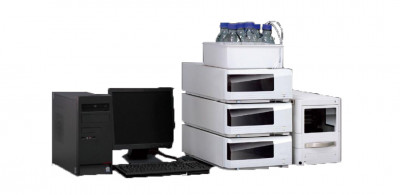
Optimizing HPLC Performance Through Regular Monitoring
Keeping High-Performance Liquid Chromatography (HPLC) systems in top shape is key. It ensures hplc data integrity and hplc regulatory compliance. Regular checks help catch problems early.
Tracking retention time changes is very important. Changes can mess up the accuracy of results. By watching retention time, analysts can find and fix issues fast.
HILIC methods face special challenges like bad retention and peak shapes. Quick action to fix these problems is needed to keep data reliable.
Autosampler contamination can be hard to solve. Regular checks help find and fix the problem. This keeps the system and data quality good.
“Proactive HPLC maintenance through regular monitoring is essential for ensuring reliable, high-quality data and maintaining regulatory compliance.”
Being proactive in hplc performance monitoring helps labs a lot. It makes HPLC systems work better, keeps data trustworthy, and shows commitment to hplc regulatory compliance. This leads to more reliable and accurate results.
Conclusion
Keeping HPLC systems in good shape is very important. It helps avoid problems before they start. Labs in Nigeria can get better results by doing regular checks and fixing common issues.
This way, labs can make sure their HPLC results are right. It also makes their work flow better and helps them follow rules.
Keeping HPLC systems in top shape is key. This includes taking care of columns and managing fluids. It also means making sure the system works right.
Fixing common problems like bad peaks helps a lot. It makes sure the data is reliable.
By taking care of HPLC systems, labs in Nigeria can do better. They can get top-notch results and make their work smoother. This helps labs meet new challenges and use HPLC technology to its fullest.
FAQ
What are common mistakes that impact HPLC results?
Mistakes that hurt HPLC results include picking the wrong column. Also, mixing the mobile phase wrong, not preparing samples well, and not keeping the instrument in good shape.
Why is proper column storage crucial for HPLC?
Keeping columns right is key to stop oxygen and moisture from getting in. This stops the column from getting damaged. Always seal the column ends when not using it. Store it in a dark spot and keep a steady flow of carrier gas if it’s on the instrument.
What are some common HPLC system failures?
HPLC systems often fail because of column dirt, phase fouling, and changes in retention times. To avoid these, condition columns right, keep away from dirt and impurities, and use clean solvents.
What are the key aspects of proactive HPLC maintenance?
Keeping HPLC systems running well means doing daily, weekly, and monthly tasks. Avoid common mistakes with mobile phases. Use the right acid or base for your buffer. Also, use filters to stop dirt from getting into the system.
Why is regular monitoring crucial for optimizing HPLC performance?
Watching HPLC closely is key to making it work better. This means keeping an eye on how retention times change. This can mess up your numbers. Fix issues with retention, time changes, and bad peak shapes.