
For gas chromatographers, dealing with high temperatures is routine. One of the most common questions we receive is: what is the maximum temperature a GC column can reach?
Thermal limits are real limits
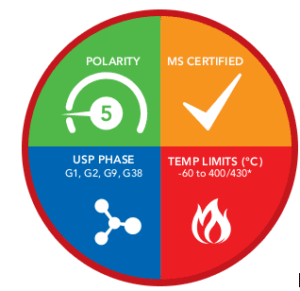
Columns with polar stationary phases are more susceptible to damage and degrade faster at excessively high temperatures than non-polar phases. Thermal damage shows as excessive column bleed and peak tailing for active compounds, and severe cases lose retention and resolution. Temperature limits carry no extra safety factor: keeping the column below its upper limit is what gives reasonable column life and performance.
Film thickness matters
There is an inverse relationship between film thickness and the upper temperature limit for the same phase. For example:
- ZB-1 (30 m x 0.32 mm x 0.25 µm) — 360/370 °C iso/grad
- ZB-1 (30 m x 0.32 mm x 5.00 µm) — 340/360 °C iso/grad
Limits can also differ between manufacturers for the same phase and dimensions, so check the column package and its documentation. Distinguish a high-temperature version of a phase from the regular one: a standard silica column may reach 360 °C depending on the parameters above, while the HT version of the same column may reach 400 °C or 430 °C. For very high boiling compounds, a metal capillary HT column can reach 450 °C.
Use the accessories the temperature asks for
At high temperature, use accessories designed for it: SilTite ferrules, HT guard columns and gas management filters that keep oxygen and other contaminants out of the carrier gas. Oxygen at high temperature is a common cause of column damage.
Choosing the right column and accessories is essential for reliable results and longer column life. Applied Analytical Systems supplies GC columns, gas management filters, laboratory equipment and accessories, with technical support to match. Contact us at aas@aasnig.com.